
The Importance of Health and Wellness Education for a Better Future
In today’s ever-changing world, the welfare of an individual and society as a whole has come to be at the core of every government, organisation, and even family. This highlights the importance of physical, mental, and social health, as it simply determines how an individual interacts and relates with society. This opens the lines for discussing the importance of health and wellness education. Education centred on healthy lifestyles and wellness lays the foundation for a stronger, more sustainable future.
For an organisation such as Care India Welfare Trust, health and wellness education is not only a form of organisational focus but also a mission-based priority. The theory provides that communities can be empowered by teaching individuals about their importance; when individuals learn that health is critical at a certain period, they start developing practices that help improve health, reduce healthcare expenditures, and create a general quality of life.
What is Health and Wellness Education?
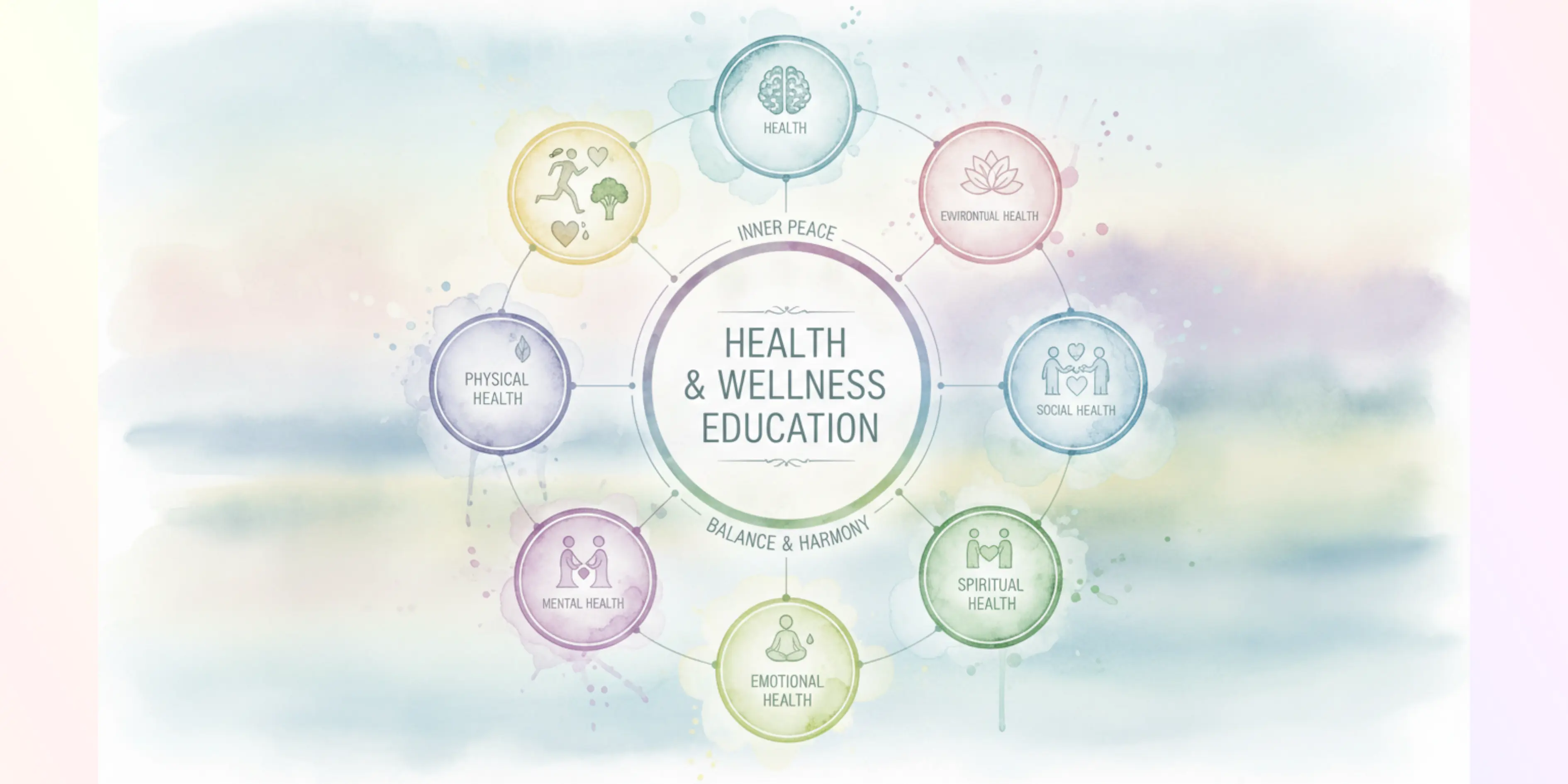
The concept of health and wellness education involves a systematic approach to learning about physical health, mental well-being, emotional well-being, nutrition, hygiene, and preventive care. It not only involves dealing with illnesses but also focuses on maintaining well-being and equilibrium.
At the core, health education empowers a person to assume responsibility for his or her own well-being. Similarly, wellness education builds on this approach. It emphasises the need to focus on behaviours like exercise, stress reduction, and emotional intelligence. The overall paradigm importance of health education, therefore, provides a comprehensive approach.
The reason health and wellness education is important is that it gives people power by translating information into action. Once people see how their daily decisions are affecting their minds and bodies, they are more apt to do things that are good not only for them, but also for people around them.
Health as the Foundation of Human Development
Good health is the foundation upon which education, productivity, and social participation are built. A healthy child is more likely to attend school regularly, concentrate in class, and perform academically. Similarly, a healthy adult is more productive at work and more engaged in community life.
Recognising theimportance of health means acknowledging that development goals cannot be achieved without addressing basic well-being. Malnutrition, poor sanitation, and lack of health awareness continue to limit opportunities for millions of people, especially in underserved communities.
Health and wellness education addresses these challenges by providing practical knowledge about nutrition, hygiene, reproductive health, and disease prevention. When individuals understand how to care for their bodies, they are better positioned to break cycles of poverty and ill-health.
The Role of Health and Wellness Education in Disease Prevention
Preventive care services are considered to be some of the most effective means to bring about positive changes in public health status. Many diseases, whether they are chronic or communicable in nature, can be controlled with the help of preventive care services.
Health and well-being education equips individuals with knowledge on how diseases are transmitted, how to identify early signs, and when to access healthcare services. Furthermore, it involves encouraging vaccinations, regular health checks, and healthy lifestyles, such as eating a balanced diet.
The significance of health and wellness education becomes apparent, especially in a rural background where access to many healthcare resources is limited. In these types of situations, knowledge is a first line of defence, empowering individuals to take care of themselves.
Mental Health and Emotional Well-being
While this aspect of health is part of the overall wellness spectrum, it does not draw as much attention as it should. Education plays an important role in normalising mental health discussions and coping with stress, anxiety, and depression.
Wellness education promotes emotional awareness, resilience, and healthy communication skills. It helps individuals recognise mental distress and supports the building of empathetic and supportive communities.
By understanding the importance of health, whether mental or physical, societies can move in a more positive direction, where a person is not stigmatised for seeking help and, as a result, families, work environments, and communities can flourish.
Economic and Social Impact of a Healthy Population
Healthy members of a population are productive members of a population. If members of a population are physically and mentally fit, then they can produce economically and diminish costs for the healthcare system.
The significance of health transcends personal well-being to encompass economic development at the national level. Excessive illness entails higher health-related costs, diminished labour force participation, and economic stagnation. On the other hand, health education reduces preventable illnesses and stimulates sustainable development.
Communities that place a high emphasis on theimportance of health and wellness education have seen improvements in employment, school attendance, and social stability. Improvements lead to a cycle of positivity. Health, as well as prosperity, feeds each other.
Community Empowerment Through Education
Health and wellness education empowers communities by giving them the tools to identify and address their own health challenges. When people are informed, they are more likely to advocate for better services, sanitation, and healthcare infrastructure.
Local participation is key to lasting change. Community-based education programs encourage shared responsibility and collective action, fostering a sense of ownership and pride.
Understanding theimportance of health and wellness education helps communities move from dependency to self-reliance. Knowledge strengthens voices and enables people to take control of their futures.
Key Benefits of Health and Wellness Education
Healthy living education provides a wide range of benefits, impacting individuals and society as a whole:
Improves awareness about nutrition, hygiene, and healthy lifestyles.
- Reduces the incidence of diseases that can be prevented.
- promotes mental and emotional resilience
- Encourages early detection and timely treatment
- Strengthens community participation and responsibility
These benefits point out the reason why education is one of the best investments in long-term social welfare.
The Role of NGOs in Promoting Health Education
Non-governmental organisations have a vital role to play in reaching out to populations that might be underserved through the mainstream. Care India Welfare Trust is a grassroots organisation that provides healthcare and wellness education.
With the help of awareness campaigns, workshops, and school programs, NGOs fill the gaps in access and knowledge. Their interventions have a big impact in rural areas and poor urban settings.
The importance of teaching and promoting health and wellness is further exemplified through the success of NGO initiatives, which have empowered women, assisted children, and taught families about healthy living and preventive care.
Education for Children and Youth
Children and young people represent the future of every nation. The establishment of good behaviour and habits within this age group has the potential to ensure lifelong benefits on an individual basis, as well as societal benefits.
The school health education programs teach students about nutrition, physical activity, personal hygiene, and emotional well-being. These lessons shape attitudes and behaviours that last throughout life.
By stressing health, education systems and NGOs together can develop a generation that is informed, confident, and capable of making responsible health choices.
Health Education and Gender Equality
Health and wellness education is also of critical importance to advance gender equality. Women and girls often have unique health challenges and barriers to information.
It helps women to make informed decisions on their bodies, reproductive life, and the well-being of their family members. In addition, it encourages men to become much more active in health and caregiving roles.
When communities understand the importance of health, they support equitable access to education and healthcare for all genders.
Building Resilient Communities for the Future
Resilient communities are those that have adapted well, for instance, to pandemics, natural calamities, and economic shocks. The importance of Health and wellness education helps build resilience through preparedness and adaptability.
An informed community will react properly to crises; will comply with public health advice; and will support vulnerable individuals with the necessary care and understanding. Education promotes trusting relationships and fosters a sense of shared responsibility.
The value and importance of health and wellness education are evident, especially during crises, where education can truly be considered a matter of life and death.
A Vision for a Healthier Tomorrow
A better future rests in our choices today. Investing in health and wellness education is an investment in the possibilities of human potential, social harmony, and sustainable development.
The organisation Care India Welfare Trust stands tall as an example of how focused efforts can create meaningful change by prioritising education, which helps unlock the full potential in people and their communities.
Good health is the recognition that development must be inclusive, kind, and lasting.
Conclusion:
The importance of Health and wellness education, therefore, is not a luxury but a necessity in building a better future. It equips people, communities, and nations with better lives. Health education, from body to soul, equips people with better lifestyles.
The significance of health and wellness education primarily centres around creating a lasting impact on generations to come. Moreover, it is worthy to consider that the significance of health prompts one to recognise that, in order to go forward, it is paramount to first prioritise well-being. Through continued dedication and movement toward collective action, organisations like Care India Welfare Trust are working to clear the path toward a brighter and healthier future.
Frequently Asked Questions (FAQs)
1. What is the importance of health and wellness education to society?
Health and wellness education is crucial as it enables individuals to understand how to maintain physical, mental, and emotional well-being. The significance of health and wellness education is focused on its role in the prevention of diseases, promotion of healthy lifestyles, and the creation of informed communities that are instrumental for the betterment of society.
2. How does health and wellness education impact quality of life?
Therefore, health and wellness education, which equips people with knowledge about nutrition, exercise, mental health, and preventive health care, enables them to make informed decisions. Recognising the significance of health results in improved living habits, reduced healthcare costs, and an increased standard of living.
3. What role do NGOs play in health and wellness education?
The role of NGOs as Care India Welfare Trust, is a crucial factor, as they help reach the underserved communities in society. In doing so, they raise awareness, conduct training, and place emphasis on health and wellness education in societies lacking such information.
4. How can health education help children and youngsters?
Health education allows children to develop healthy life patterns that will remain with them early in their lives. Learning about hygiene, nutrition, and emotional well-being teaches them the value of health that will make them healthier and more responsible adults.
5. Does health and wellness education help prevent diseases?
Yes, health and wellness education strongly addresses prevention. It enlightens individuals on how to prevent common diseases, observe early signs and symptoms, and seek appropriate care on time. The essence of health and wellness education is, therefore, underscored in preventive disease dissemination and the improvement of community health outcomes.